
Understanding White Label Software: A Practical Guide for SaaS Entrepreneurs
Published 29 July 2026 · Reviewed by Craig Galloway
What is White Label Software?
White label software is a product developed by one company that other businesses can rebrand and offer as their own solution. Rather than building software from scratch, SaaS entrepreneurs and agencies can license these ready-made platforms, customise their appearance, and market them under their brand. It’s a practical approach to scaling offerings quickly without investing heavily in development.
Examples of White Label Software Across Industries
White label software spans many sectors, enabling businesses to extend their service portfolio effectively. In the SEO and digital marketing space, white label SEO tools allow agencies to report on campaigns or conduct keyword research under their brand. Similarly, customer relationship management (CRM), email marketing platforms, and payment gateways frequently come as white label options.
For example, a digital marketing agency might use white label SEO software to deliver client analytics without revealing the original software provider. Another instance is a SaaS company licensing a branded email automation tool to complement its core services.
Benefits of Using White Label Solutions
- Speed to Market: Launch new software offerings quickly without lengthy development cycles.
- Cost Efficiency: Reduce development and maintenance costs by leveraging existing platforms.
- Custom Branding: Tailor the user interface and experience to align with your brand identity.
- Focus on Core Activities: Concentrate on marketing, sales, and customer relationships while the software foundation is managed by the provider.
- Scalability: Easily add new features as providers update the underlying platform.
How to Price White Label Software Effectively
Pricing white label software depends on various factors including licensing fees, target market, and added value services. A practical approach involves considering your total costs, competitor pricing, and perceived client value.
Common pricing models include:
- Subscription-Based: Monthly or annual fees per user or account.
- Tiered Pricing: Different feature sets or user limits at ascending price points.
- Percentage Markup: Adding a margin on top of the provider’s wholesale price.
It’s important to ensure pricing covers your expenses while remaining competitive. Offering custom packages or optional add-ons can also support flexible client needs.
White Label vs Grey Label Software: Key Differences
While white label software is fully rebrandable, grey label software typically allows limited customisation. Grey label products may only permit logo and colour changes without deeper interface modifications. The choice depends on your brand control needs and budget.
White label gives greater freedom to present the product as wholly your own, which can strengthen client trust. Grey label might be faster to deploy but can limit distinctiveness in a crowded marketplace.
Best Practices for Implementing White Label Software
- Choose Reliable Providers: Ensure your software partner offers robust support, timely updates, and quality performance.
- Customise Thoughtfully: Adapt the branding consistently across the user interface and documentation.
- Test Thoroughly: Confirm that features function correctly under your branding and that integrations work smoothly.
- Train Your Team: Equip sales and support staff with in-depth knowledge about the white label products.
- Maintain Transparency: While white label software often conceals the original provider, be ready to manage client questions professionally.
Use Cases in SEO and Digital Marketing
SaaS entrepreneurs and marketing agencies frequently leverage white label software to deliver enhanced services without rebuilding tools.
- White Label SEO Software: Enables agencies to offer keyword research, competitor analysis, backlink tracking, and reporting under their brand. This meets the rising search demand indicated by trends for “white label SEO software.”
- Client Reporting Platforms: Consolidate campaign data from multiple sources and present cohesive dashboards.
- Marketing Automation: Use white label email and social media automation tools to streamline client outreach with custom messaging.
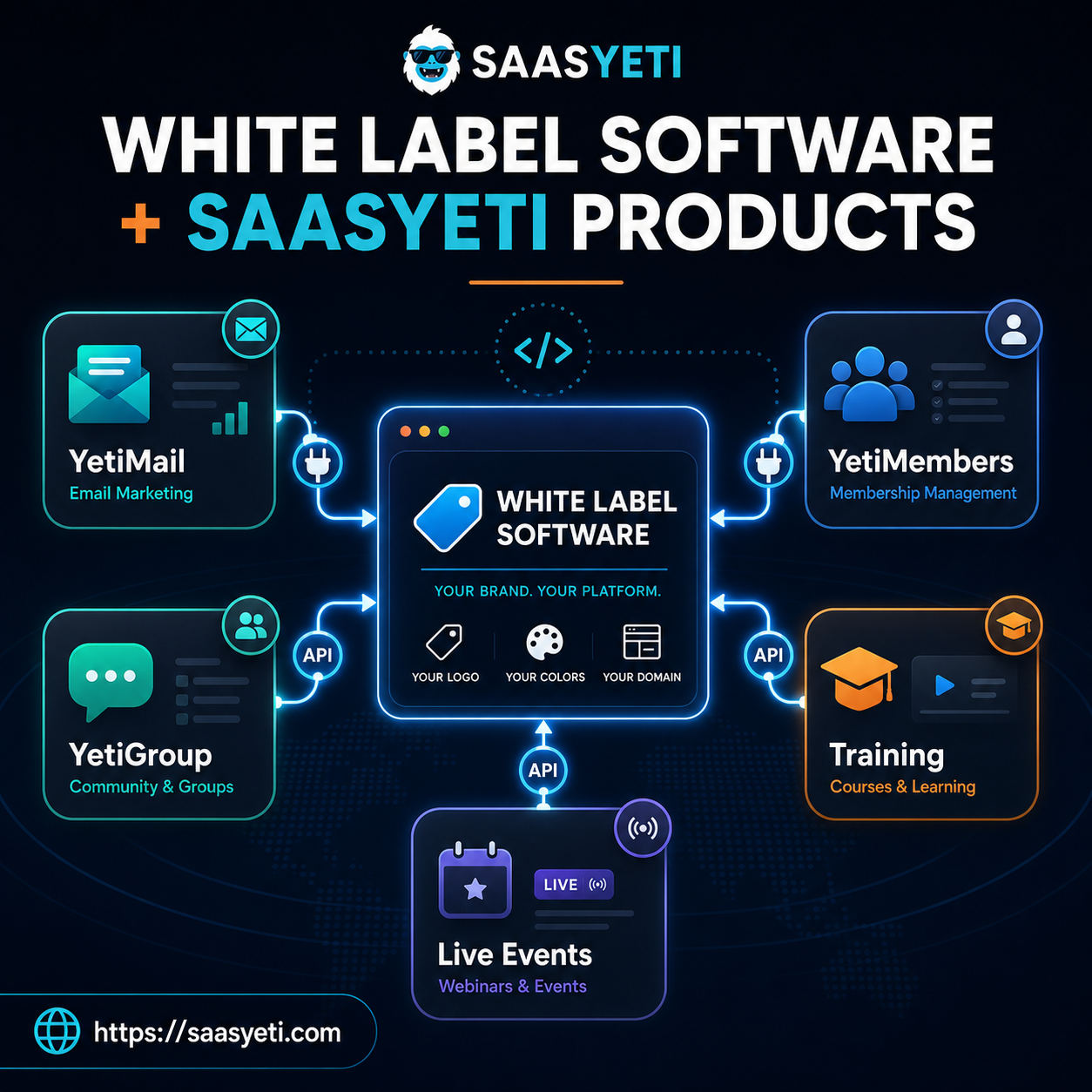
Integrating White Label Software with SaaSYeti Products
At SaaSYeti, we focus on building practical, easy-to-integrate tools for SaaS entrepreneurs. Our products complement white label software by providing flexible API connectors, automation workflows, and customisable user portals. This aligns well with the white label model by enabling entrepreneurs to maintain control and consistency across all customer touchpoints.
If you’re looking to build or expand your SaaS offerings efficiently, combining white label software with SaaSYeti’s solutions can accelerate launches and support sustainable growth. Feel free to explore our range and get in touch for advice tailored to your business.
Understanding white label software equips you with a powerful approach to grow your SaaS or agency business responsibly. By choosing the right products, pricing wisely, and implementing carefully, you can build once and market everywhere with confidence.